Furnaces and Heat Pumps That Fail Mid-Winter
Heating repair in Pasadena for systems that won't ignite or cycle continuously without heating
Many Anne Arundel County homes built during the mid-century expansion still run older furnaces and heat pumps. Their ignition controls, limit switches, and blower relays have aged beyond their design life. A furnace that won't turn on, or a heat pump that blows cold air, often traces back to a single worn component rather than total system failure. 2 Brothers Mechanical repairs heating systems in Pasadena and across Anne Arundel County, and the owner personally takes the call and oversees the diagnosis on every repair. You'll speak directly with the person managing the work, not a call center routing your information to a rotating crew.
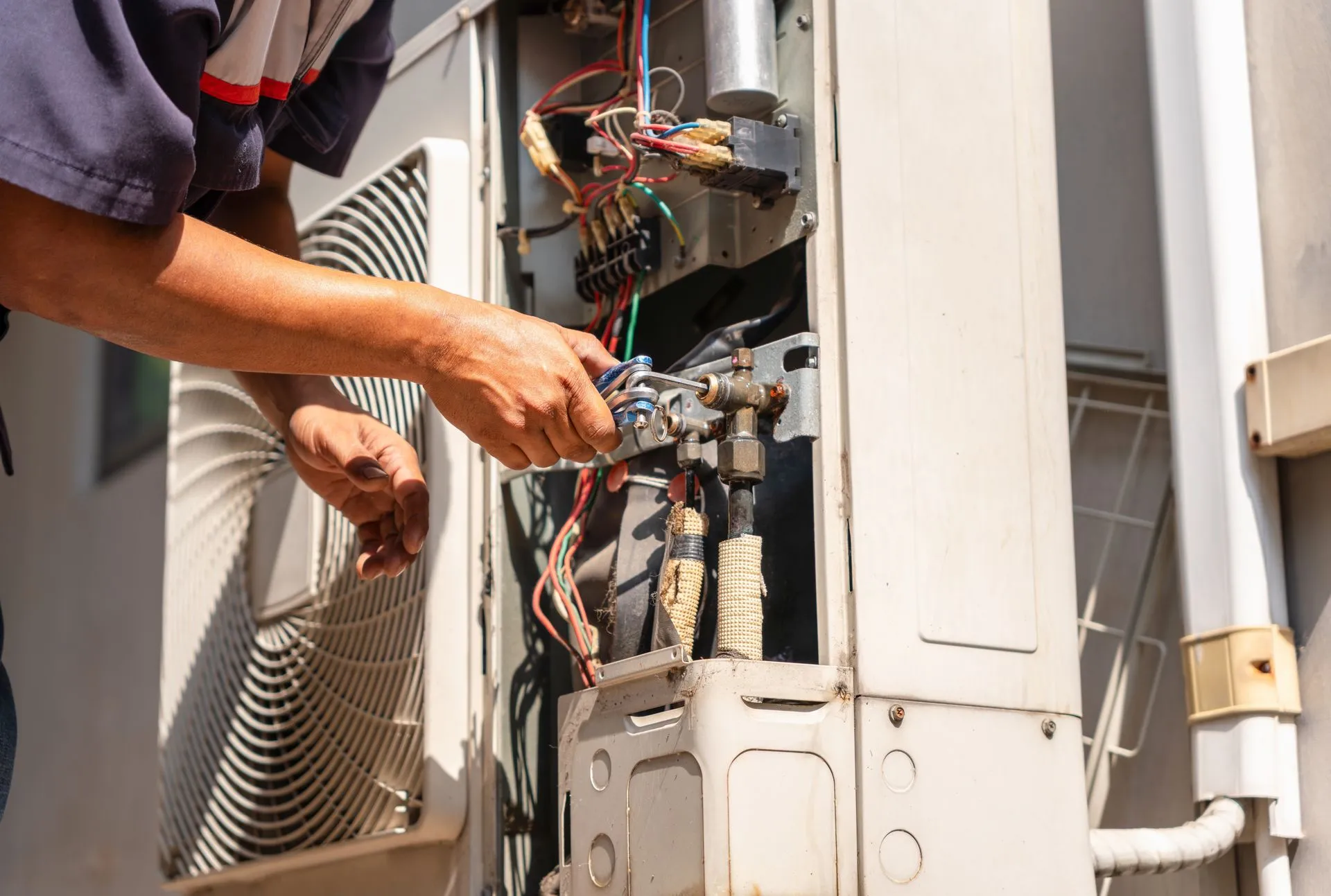
The technician confirms the call for heat at the thermostat, checks safety switches and the ignition sequence, inspects flame sensors or heat strips depending on fuel type, measures temperature rise across the heat exchanger or air handler, and tests the blower and limit controls to verify proper cycling. A dirty flame sensor prevents the gas valve from staying open, a failed limit switch cuts power to the blower even when the furnace is heating, and a weak capacitor stops the blower motor from starting, which causes the furnace to overheat and shut down on the high-limit safety.
Arrange a diagnostic appointment to identify the failed component and receive an explanation of what the repair will involve.
Why Heating Repairs Restore Consistent Operation
The repair is explained and quoted before any parts are installed, so you know which component failed, why it affects system operation, and what replacing it will accomplish. The technician isolates the failure using voltage tests, continuity checks, and visual inspection, then shows you the worn part and describes how the replacement restores normal function.
Once the repair is finished, the furnace or heat pump ignites when the thermostat calls for heat, the blower cycles on after the heat exchanger reaches operating temperature, and warm air flows steadily from the registers without the system shutting off prematurely or running continuously without raising indoor temperature.
The repair targets the specific component that caused the failure, but it does not address unrelated wear such as aging ductwork, outdated thermostats, or secondary issues like poor insulation that reduce heating efficiency without stopping the system altogether. If multiple components are nearing the end of their service life, the technician will explain which ones are critical now and which can be monitored during the next tune-up.
Answers About How the Repair Work Is Done
Heating system repairs raise consistent questions about what the technician tests, what gets replaced, and how you'll know the problem is fully resolved.
What does the technician check when a furnace won't turn on?
The technician tests thermostat voltage, confirms that the gas valve is receiving a signal to open, inspects the flame sensor for carbon buildup that prevents flame detection, checks the hot surface igniter for cracks or weak glow, and verifies that all safety switches including the rollout and limit switches are closed and allowing the sequence to continue.
How does the repair process differ for a heat pump that blows cold air?
The technician measures voltage at the reversing valve to confirm it's switching to heating mode, checks the defrost control to ensure the outdoor coil isn't frozen and blocking airflow, inspects the heat strips for continuity if the unit uses auxiliary electric heat, and tests refrigerant pressures to verify the system is moving heat indoors rather than outdoors.
Why do older Anne Arundel County furnaces often fail at the ignition stage?
Furnaces installed in homes from the 1970s and 1980s frequently use standing pilot lights or early hot surface igniters that degrade over decades of thermal cycling, and flame sensors from that era corrode more quickly because they weren't coated with the oxidation-resistant materials used in newer models.
What happens after the technician replaces the failed part?
The system is powered back on, the technician observes a full heating cycle from thermostat call through ignition, temperature rise, blower activation, and shutdown, and multiple cycles are tested to confirm the repair holds and the system doesn't revert to the original failure mode.
What should you watch for after the heating repair is complete?
Listen for the ignition sequence to complete without multiple retry attempts, confirm that the blower starts within the expected delay after ignition, check that warm air reaches every register without cold spots or uneven flow, and note whether the furnace or heat pump cycles off cleanly once the thermostat is satisfied rather than continuing to run or shutting down mid-cycle.
2 Brothers Mechanical also repairs heating systems in Annapolis, Severna Park, Glen Burnie, Linthicum Heights, and Odenton. When your furnace won't ignite or your heat pump runs without heating, contact 2 Brothers Mechanical at (410) 501-9209 to schedule a diagnostic visit and receive a written repair explanation before any parts are ordered.